
What the Yin Yang Symbol Represents in Philosophy and Culture
The Yin Yang concept is one of the most recognizable symbols in Eastern philosophy, embodying the idea of balance and duality within the universe. Rooted in Taoist thought, it expresses how opposing forces are not only interconnected but also interdependent. The symbol has endured for centuries, influencing spiritual practices, cultural traditions, and even modern interpretations of balance in everyday life. To fully appreciate its importance, one must explore both its philosophical depth and its cultural significance.
The Core Meaning of the Yin Yang Symbol
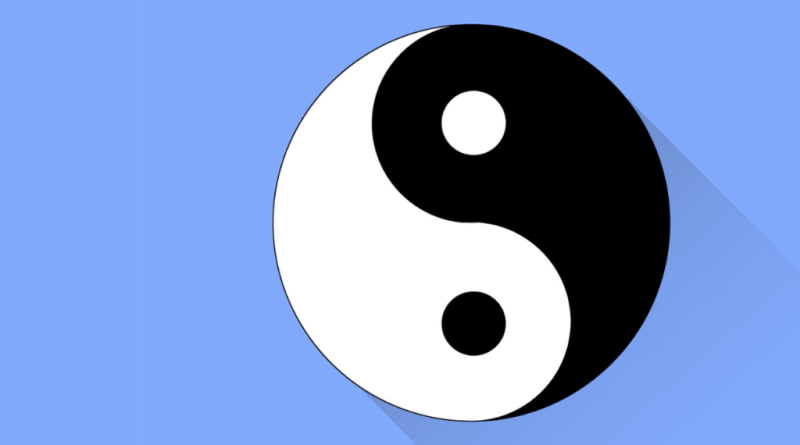
At the heart of Taoism, the Yin Yang Symbol illustrates the principle that all things exist as inseparable and contradictory opposites. Yin is associated with darkness, stillness, and receptivity, while Yang is linked to brightness, activity, and force. The circular design shows these dualities flowing into each other, each containing a small part of the other, emphasizing that neither can exist independently. This representation reflects the eternal cycle of change and harmony in the universe.
Yin and Yang in Philosophy
From a philosophical perspective, Yin and Yang demonstrate the idea that opposites are complementary rather than antagonistic. Instead of conflict, their interaction creates balance. Taoist philosophy uses this concept to explain natural patterns—day and night, life and death, action and rest. It also serves as a guide for personal living, teaching individuals to adapt to change rather than resist it. By aligning with this balance, one can achieve harmony within the self and with the larger natural order.
Influence on Chinese Culture and Traditions
The Yin Yang principle is deeply woven into Chinese culture, shaping art, literature, medicine, and daily practices. Traditional Chinese medicine, for instance, is based on the idea that health results from the balance of Yin and Yang within the body. Martial arts like Tai Chi also embody this principle, blending soft, flowing movements with focused energy. Beyond health and physical practices, cultural celebrations and seasonal observances often reflect the shifting dominance of Yin and Yang, highlighting the cycle of nature and time.
Symbolism in Human Relationships
The Yin Yang concept extends to human relationships as well. Interpersonal dynamics often involve a balance of contrasting traits—compassion and assertiveness, patience and decisiveness, calm and energy. Taoist teachings suggest that harmony in relationships is achieved not by dominance of one side but through complementarity. Respecting differences and recognizing the value of both Yin-like and Yang-like qualities can lead to stronger, more balanced connections in families, friendships, and communities.
Representation in Modern Thought and Global Culture
Today, the Yin Yang symbol has become a universal representation of balance, transcending its Taoist roots. It is frequently used in wellness and mindfulness practices, emphasizing the importance of mental, physical, and spiritual equilibrium. Many people worldwide adopt the symbol as a reminder to seek harmony amid life’s challenges. In modern philosophy and psychology, the idea resonates with the need to integrate opposing aspects of the human experience—logic and emotion, strength and vulnerability, individuality and unity.
The Symbol as a Guide to Personal Growth
On a personal level, the Yin Yang symbol offers guidance for navigating life’s complexities. It teaches that every stage of existence carries within it the potential for its opposite. Success may be followed by struggle, while hardship often gives rise to growth. Recognizing this cycle encourages resilience and patience. Instead of seeking perfection in one extreme, the Taoist lesson is to embrace the ebb and flow, finding meaning in both light and shadow.
Conclusion
The Yin Yang symbol is far more than a visual icon; it is a profound philosophical statement about the nature of existence. It captures the balance of opposing forces, showing that harmony is achieved when both sides coexist. In philosophy, culture, health, relationships, and personal growth, the symbol serves as a timeless reminder of the interconnectedness of life. Its enduring presence across cultures highlights its universal appeal, making it a guiding principle for those who seek balance and understanding in an ever-changing world.