
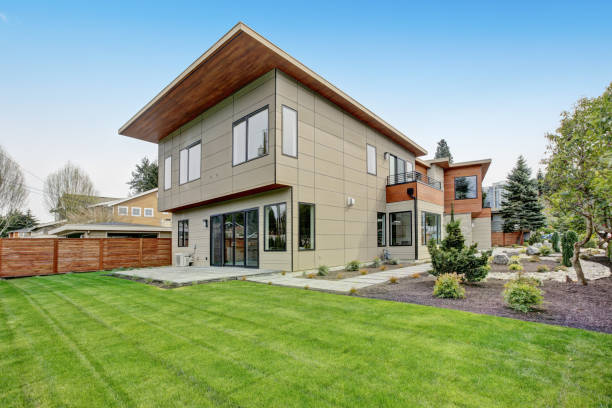
The Future of Home Exteriors with Energy-Efficient Siding
The exterior of a home is more than just its visual appeal. It plays a vital role in protecting against the elements, maintaining comfort, and reducing energy costs. As homeowners become increasingly conscious of sustainability and efficiency, the demand for materials that deliver more than aesthetics has grown. Choosing energy-efficient siding options for modern homes provides the perfect balance between style, performance, and long-term savings. With advancements in technology and design, siding now contributes to both curb appeal and eco-friendly living.
Why Siding Choice Matters
Siding is often the first line of defense against harsh weather conditions such as wind, rain, and extreme temperatures. Beyond protection, siding also influences a home’s insulation, directly impacting heating and cooling bills. Poor-quality or outdated siding can lead to drafts, moisture problems, and unnecessary energy use. By investing in upgraded siding solutions, homeowners can improve energy efficiency, enhance property value, and enjoy long-lasting performance.
Understanding Energy-Efficient Siding
Not all siding materials are created equal. Energy-efficient siding is designed to reduce heat transfer, keeping homes cooler in the summer and warmer in the winter. This is achieved through better insulation properties, reflective coatings, and advanced construction techniques. When evaluating energy-efficient siding options for modern homes, it is important to consider factors like durability, maintenance, and compatibility with the local climate. The right material ensures comfort while lowering energy consumption and costs over time.
Popular Types of Energy-Efficient Siding
Several materials stand out for their ability to combine beauty with performance. Insulated vinyl siding remains one of the most widely chosen options, offering affordability and excellent insulation. Fiber cement siding provides durability and resistance to moisture while supporting efficient energy use. Wood siding, when paired with proper treatments and insulation, delivers timeless appeal and effective performance. Metal siding, often made of steel or aluminum, is highly durable and recyclable, making it a sustainable choice. Modern advancements have expanded these categories, allowing homeowners to find designs that align with both style preferences and energy-saving goals.
The Benefits of Upgrading Siding
Homeowners who switch to energy-efficient siding enjoy multiple benefits beyond just lower utility bills. Improved insulation reduces the strain on heating and cooling systems, extending their lifespan. Enhanced exterior protection prevents issues like mold, mildew, and water damage. High-quality siding also boosts curb appeal, making homes more attractive to potential buyers. For families planning to stay in their homes long-term, the comfort and cost savings make this upgrade well worth the investment.
Local Considerations for Modern Homes
In areas with varying seasonal climates, siding needs to perform year-round. Hot summers and cold winters place demands on insulation and durability. Homeowners must select siding that withstands temperature fluctuations while still maintaining efficiency. Professionals familiar with local conditions can provide valuable guidance when choosing energy-efficient siding options for modern homes, ensuring that materials match both environmental challenges and lifestyle needs.
Professional Installation Matters
Even the best siding materials cannot perform properly without professional installation. Gaps, misalignments, and improper sealing can compromise efficiency and lead to costly repairs. Experienced contractors ensure that insulation is properly integrated, joints are secure, and the siding provides maximum protection. Partnering with experts not only guarantees proper installation but also helps homeowners explore the full range of design and color options available.
Long-Term Savings and Sustainability
While energy-efficient siding may require a higher upfront investment, the long-term savings make it a cost-effective choice. Lower utility bills, reduced maintenance, and increased home value provide a strong return on investment. In addition, many siding materials are recyclable or sustainably sourced, contributing to eco-friendly living. Homeowners who prioritize sustainability benefit from siding that reduces environmental impact while enhancing comfort and efficiency.
How to Choose the Right Siding
Selecting the best siding involves balancing several factors. Homeowners should consider their budget, desired appearance, and energy goals. Consulting with design and construction experts provides insight into which materials deliver the best performance for specific homes. Researching warranties, maintenance requirements, and lifespan also helps ensure a well-informed decision. With professional support, choosing energy-efficient siding options for modern homes becomes a smooth and rewarding process.
Enhancing Curb Appeal with Energy Efficiency
Modern siding designs allow homeowners to enjoy both visual beauty and performance. With a wide range of colors, textures, and finishes available, siding can be tailored to match any architectural style. Whether it is a sleek modern look, a rustic traditional design, or a bold contemporary finish, energy-efficient siding enhances curb appeal while working hard behind the scenes to maintain comfort.
FAQs
How long does energy-efficient siding last?
The lifespan depends on the material chosen. Vinyl siding can last up to 40 years with proper care, while fiber cement and metal siding may last even longer.
Is energy-efficient siding worth the cost?
Yes, while initial costs may be higher, homeowners benefit from reduced utility bills, improved comfort, and increased property value over time.
Can I install energy-efficient siding myself?
It is strongly recommended to hire professionals. Improper installation can reduce efficiency and lead to costly issues like leaks and drafts.
Does siding require a lot of maintenance?
Most modern siding materials require minimal upkeep. Occasional cleaning and inspections help maintain performance and appearance for decades.
Conclusion
Siding has become much more than just an exterior covering for homes. With modern technology and design, it now plays an essential role in energy conservation, comfort, and style. Homeowners who choose energy-efficient siding options for modern homes gain a powerful combination of sustainability, long-term value, and aesthetic appeal. With the right materials and professional installation, your home’s exterior can protect, insulate, and impress for decades. For anyone seeking to upgrade their property, energy-efficient siding is one of the smartest investments available today.
Author Bio
Written by James Carter, a home improvement writer and design consultant with expertise in working alongside Max Building Designs. He specializes in guiding homeowners toward smart, sustainable upgrades. Visit their website to explore more services and learn how they can help you enhance your home with style and efficiency.
