
Floor Plan Submission for Permit: A Complete Guide
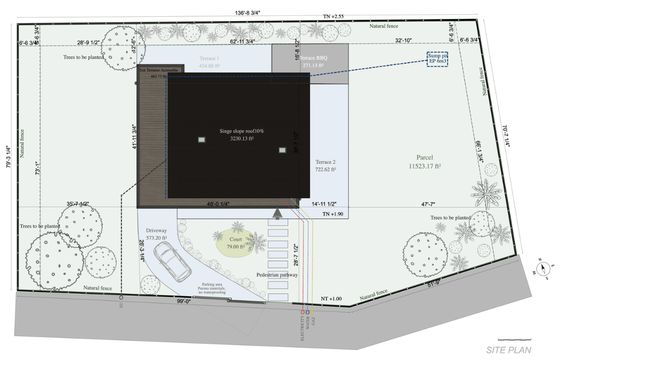
When starting a construction or renovation project, one of the most important steps is preparing and submitting a floor plan for approval. Local building departments require detailed floor plans to ensure safety, compliance, and proper use of space. Understanding how to handle a floor plan submission for permit can save time, reduce stress, and help you move forward with your project without unnecessary delays.
What is a Floor Plan for Permit?
A floor plan is a scaled drawing that shows the layout of a building. It includes walls, rooms, doors, windows, and dimensions. When applying for a building permit, authorities need this plan to verify that the project follows zoning laws, safety codes, and structural requirements.
Key details a floor plan usually contains:
- Dimensions of rooms and spaces
- Location of doors and windows
- Placement of plumbing fixtures
- Electrical layout (switches, outlets, and lights)
- Labels for each room (e.g., kitchen, bathroom, living room)
Why Do You Need to Submit a Floor Plan?
Submitting a floor plan is not just a formality. It plays a major role in ensuring your project is legally approved and structurally sound.
Some key reasons include:
- Legal compliance – Every city or county has building codes that must be followed.
- Safety – Authorities check for fire exits, ventilation, and proper spacing.
- Zoning approval – Ensures the building’s use matches the zoning classification.
- Efficiency – Helps contractors understand the scope of work clearly.
Without an approved floor plan, you risk project delays, fines, or even demolition orders.
Steps to Prepare a Floor Plan Submission for Permit
While every local authority has its own requirements, the general process of preparing and submitting a floor plan includes the following steps:
- Gather Requirements
- Contact your local building department.
- Request a checklist of what they require for a floor plan submission.
- Hire a Professional (Optional but Recommended)
- Architects and designers have experience preparing plans that meet local codes.
- Professionals can help avoid rejections due to incomplete details.
- Create Detailed Floor Plans
- Use accurate measurements.
- Include all structural, mechanical, and electrical details.
- Add Supporting Documents
- Site plan showing property boundaries and building location.
- Elevation drawings for a better understanding of the structure.
- Engineering reports if needed.
- Submit for Review
- File your application with the local building department.
- Pay any necessary fees.
- Wait for approval or requests for revisions.
Common Mistakes to Avoid
Many submissions are delayed or rejected due to avoidable errors. Some of the most common mistakes include:
- Missing dimensions or unclear labeling.
- Submitting hand-drawn plans without scale.
- Forgetting required documents like site plans or engineering reports.
- Overlooking energy code requirements (such as insulation details).
- Not checking local building department guidelines before submission.
Avoiding these mistakes can save weeks of waiting and additional costs.
Tips for a Smooth Approval Process
If you want your permit application to go through without unnecessary delays, keep the following tips in mind:
- Double-check all drawings before submission.
- Make sure the scale is correct and consistent.
- Use clear labels and legible text.
- Respond quickly to requests for revisions from the building department.
- Keep copies of everything you submit for your records.
How Long Does Approval Take?
The review time depends on the complexity of your project and the workload of your local building department. Small projects might be approved in a few days, while larger ones may take weeks.
Factors that affect approval time:
- Type of project (new construction vs. renovation).
- Completeness of your floor plan and documents.
- Whether revisions are required.
- Seasonal workload of the building office.
Pro Site Plans: Your Partner in Floor Plan Submissions
Preparing a floor plan for permit approval can feel overwhelming, especially if you are new to the process. That’s where Pro Site Plans can help. They specialize in creating accurate, code-compliant drawings that meet the requirements of local building departments. Their team works closely with homeowners, contractors, and architects to make sure every detail is correct before submission. With their experience, you can avoid common mistakes, reduce the chances of rejection, and speed up the approval process. Choosing Pro Site Plans means choosing peace of mind for your construction or renovation project.