Choosing the Right Relaxation Tool: A Guide to Hydraulic Lift Massage Tables and Massage Chairs
Investing in high-quality wellness equipment is a major decision for both professionals and home enthusiasts. Hydraulic lift massage tables offer a stable, height-adjustable surface that caters to the diverse needs of practitioners, while massage chairs provide a more compact and automated solution for targeted relief. Understanding the functional differences between these two is essential for anyone looking to enhance their practice or personal relaxation routine. At Emerald City Reiki Center, the focus is always on creating a harmonious environment where healing can flourish through the right combination of technique and technology.
Emerald City Reiki Center is a dedicated wellness space that specializes in the Japanese technique of Reiki for stress reduction, relaxation, and holistic healing. You can learn more about their approach to wellness by visiting the Emerald City Reiki Center Website.
Understanding Hydraulic Lift Massage Tables
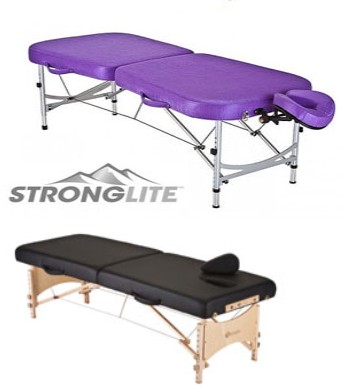
A hydraulic lift massage table is often considered the “gold standard” for professional bodywork. Unlike portable wooden tables, these are heavy-duty stations equipped with a foot-operated hydraulic pump. This allows the practitioner to adjust the height of the table effortlessly while the client is already lying down.
This adjustability is a game-changer for ergonomics. If a therapist is working on a client’s neck, they might want the table higher to avoid slouching. If they are applying deep tissue pressure to the lower back, lowering the table allows them to use their body weight more effectively. The stability of a hydraulic base also ensures there is no wobbling or creaking during a session, which is vital for maintaining a meditative state during Reiki.
The Versatility of Massage Chairs
Massage chairs are a completely different animal. While a table is a passive surface that requires a human touch, a massage chair is an active piece of technology. Modern units use a combination of rollers, airbags, and heating elements to mimic the hands of a therapist.
For many, the biggest draw of a massage chair is the convenience. You don’t need to book an appointment or even change your clothes. It is an excellent supplement to professional sessions, providing quick relief for neck stiffness or lower back fatigue after a long day at the office. However, it lacks the personalized, intuitive touch that a practitioner at Emerald City Reiki Center provides.
Pros and Cons of Hydraulic Lift Massage Tables
Pros Effortless height adjustment during sessions helps prevent therapist burnout and injury. Higher weight capacities and a solid base prevent the “rocking” feeling common in cheaper tables. Large surface area allows for full-body access, stretching, and various modalities like Thai massage or Reiki. Professional-grade upholstery is designed to last decades with proper care.
Cons These tables are extremely heavy and usually require a permanent spot in a room. The initial investment is significantly higher than manual or portable tables. Hydraulic pumps may eventually require seal replacements or fluid checks over time.
Pros and Cons of Massage Chairs
Pros Occupies less floor space than a full-sized massage table. Offers 24/7 access to relaxation without the need for a second person. Features like zero-gravity recline and heat therapy provide a unique sensory experience. Ideal for shared spaces or offices where a full-body table would be impractical.
Cons Mechanical rollers cannot feel “knots” or adjust pressure based on real-time feedback. Higher risk of electronic or mechanical failure compared to a simple hydraulic pump. Difficult to clean deep within the crevices of the chair’s moving parts.
Practical Insights for Professionals and Home Users
If you are a professional starting a studio, a hydraulic table is almost always the better long-term investment. It signals to your clients that you prioritize their comfort and your own professional longevity. The ability to shift heights seamlessly means you can see more clients per day with less physical strain.
For home users, the choice depends on your goal. If you have a partner who is willing to learn basic massage or Reiki techniques, a table provides a bonding experience that a chair cannot replicate. On the other hand, if you live alone or have a busy schedule, the automated convenience of a chair is hard to beat. Emerald City Reiki Center often emphasizes that the best tool is the one that you will actually use consistently to manage your stress levels.
Maintenance and Longevity
Hydraulic lift massage tables are built like tanks. To keep them in top shape, you simply need to wipe down the upholstery with a non-alcoholic cleaner and occasionally check the hydraulic fluid levels. Because they have fewer “moving” electronic parts than a massage chair, they tend to have a much longer lifespan.
Massage chairs require a bit more vigilance. Hair and dust can get trapped in the rollers, and the synthetic leather can wear down faster due to the friction of the internal mechanisms. It is important to choose a model with a solid warranty, as repairing the complex computer boards or air compressors can be costly.
Verdict: Which One Should You Choose?
The “better” option depends entirely on your intent. If you are looking to provide or receive high-quality, hands-on therapy, the hydraulic lift massage table is the clear winner for its stability and ergonomic benefits. It is the backbone of any serious wellness practice.
However, if your goal is solo stress management and muscle maintenance, a massage chair offers a level of autonomy that a table cannot provide. Both tools serve the ultimate goal of wellness, much like the balanced approach practiced at Emerald City Reiki Center.