
Finding Your Way Around a Trader Terminal Step by Step
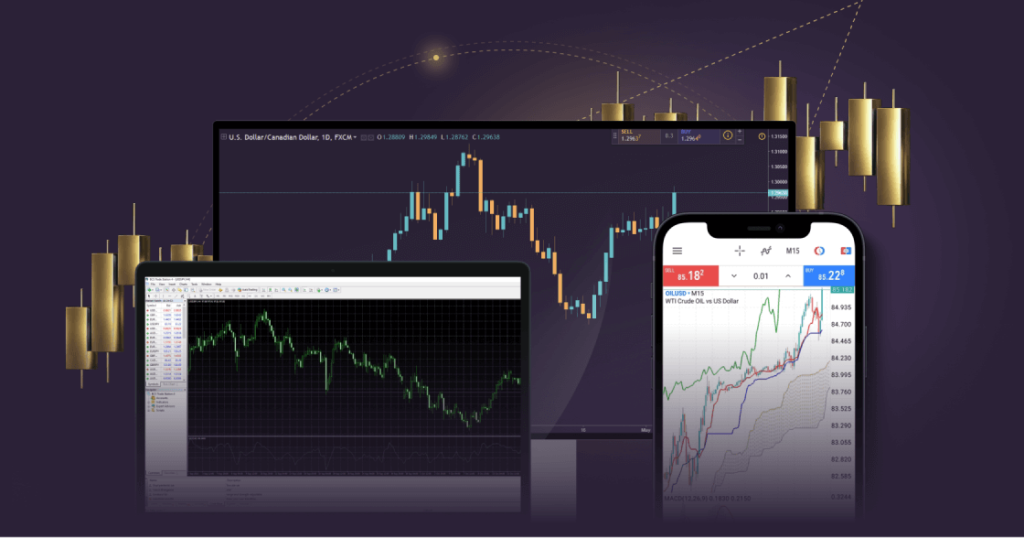
Most people do not feel confident the first time they open a platform.
They feel lost.There are moving prices, unfamiliar buttons, flashing charts, side panels, and enough numbers to make beginners think everyone else understands something they do not.
It can feel like being dropped into the middle of a conversation already in progress.
That feeling is normal.
For many traders in Australia, first sessions happen after work, during spare evening hours, or in short windows of free time. When energy is already limited, a confusing platform can feel even more overwhelming. But with a Trader terminal, confidence usually comes in layers, not all at once.
The first layer is orientation.
You do not need to trade immediately. You do not need to understand every menu. You only need to know what each major area is for. Most platforms are built around the same core pieces: markets, charts, orders, and account information.
Once you recognise those sections, the platform starts feeling less random.
The second layer is movement.
Open one chart only. Not five. Not ten.
Watch how price moves. Change the timeframe. See how one minute looks different from one hour. Zoom in. Zoom out. Learn how the chart responds when you interact with it.
This stage matters because many beginners rush past simple familiarity. Yet being comfortable with charts is one of the foundations of using a Trader terminal calmly.
The third layer is control.
This means understanding where trades would be placed, even if you are not placing any. Find the buy button. Find the sell button. Notice where position size is entered. Learn where stop loss or take profit tools are shown if available.
You are not trying to make money here.
You are learning where the controls live so they stop feeling intimidating later.
Then comes the fourth layer: routine.
The platform becomes easier when you use it the same way each session. Open the same markets. Review the same charts. Check the same areas first. Repetition removes confusion faster than random clicking ever will.
Australian traders often benefit from this because consistent short sessions can fit around busy schedules far better than long irregular ones.
Twenty calm minutes daily often beats two chaotic hours once a week.
Another helpful truth is that confusion usually fades quietly.
There is rarely one magical day where everything suddenly clicks. Instead, you notice small improvements. You know where to find tools faster. You understand what the watchlist is showing. Charts stop looking messy and start looking readable.
That is progress.
With a Trader terminal, familiarity often grows so gradually that people only notice it when they compare themselves to how lost they felt at the beginning.
It also helps to avoid decorating the platform too early.
Many beginners add indicators, news feeds, extra panels, colours, and multiple windows because they think advanced traders use complicated screens. Often the opposite is more effective.
Clean screens create clear thinking.
A simple layout with one or two charts can teach far more than a crowded setup full of distractions.
Most importantly, allow yourself to be new.
Some people feel embarrassed when they do not understand platforms quickly. But every experienced trader once clicked the wrong button, opened the wrong chart, or wondered what half the screen meant.
Learning is not a weakness.
It is the process.
In the end, finding your way around a platform is less about intelligence and more about repetition. Learn one section at a time. Build comfort slowly. Keep the screen simple. Return consistently.
For traders in Australia learning around real life responsibilities, this patient approach often works best.