
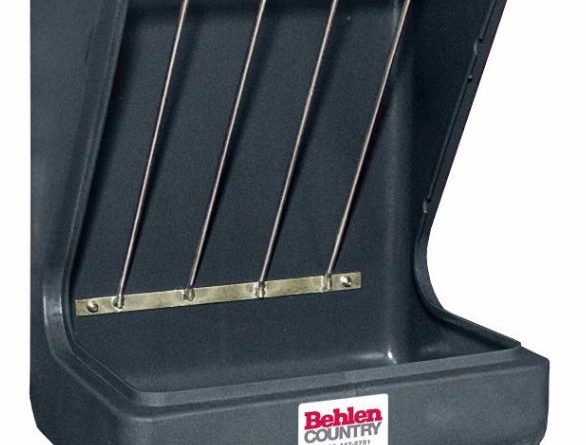
What to Know About Horse Feeders for Stalls: A Practical Guide
When it comes to caring for horses, feeding is one of the most important daily routines. Using horse feeders for stalls makes this job easier by keeping food clean, organized, and accessible. These feeders help reduce waste while ensuring horses eat comfortably and safely. Interestingly, equipment like the sheeted sweep system for cattle plays a similar role for livestock, focusing on efficiency and safety. Both highlight how the right tools can improve animal care and simplify tasks for owners.
Why Horse Owners Rely on Stall Feeders
Horse owners know that feeding can get messy if not managed properly. Dropping hay or grain directly on the stall floor often leads to waste and contamination. Horse feeders for stalls solve this issue by keeping feed off the ground. This not only saves money but also ensures horses are consuming fresh food that hasn’t been trampled or soiled.
Just as the sheeted sweep system for cattle streamlines the handling of large herds, stall feeders streamline the daily feeding process. They create a reliable routine that reduces stress for both animals and caretakers.
Types of Horse Feeders for Stalls
Not all feeders are the same, and the choice often depends on the horse’s needs and the owner’s preferences. Some feeders are designed for hay, while others are built for grain or a combination of both. Options include corner feeders, wall-mounted feeders, and large trough-style designs. Each provides convenience, but they all share the same purpose—making mealtime efficient and healthy for horses.
The adaptability of these feeders mirrors the flexibility of the sheeted sweep system for cattle, where designs can be adjusted to fit different handling setups. Both show how tailored equipment supports better livestock care.
Benefits of Using Stall Feeders
One of the biggest benefits of horse feeders for stalls is reducing waste. Horses have a tendency to scatter hay or knock grain onto the ground, leading to unnecessary costs. Feeders minimize this problem by containing the food in a controlled space.
Another benefit is promoting horse health. When feed is kept off dirty stall floors, horses are less likely to ingest harmful bacteria, dust, or mold. Clean feeding areas contribute to better digestive health and overall well-being.
Similarly, the sheeted sweep system for cattle improves animal welfare by reducing stress and accidents during handling. Both types of equipment show how thoughtful design leads to healthier animals and smoother operations.
How Stall Feeders Support Horse Health
Good nutrition is key to a horse’s performance, growth, and happiness. By using horse feeders for stalls, owners can provide steady and clean access to feed. This consistency helps maintain regular eating patterns, which supports digestive health and reduces the risk of problems like colic.
Feeders also allow for portion control, ensuring each horse gets the right amount of food without competition or waste. In this way, stall feeders act as an important tool in maintaining balanced diets.
Safety Considerations in Feeding
Horse safety is always a top priority. Poorly designed feeding systems can sometimes lead to injuries, such as a horse getting caught in a poorly placed trough. Modern stall feeders are designed with smooth edges and secure fittings to avoid these risks.
This focus on safety is very similar to how the sheeted sweep system for cattle is built to protect both animals and handlers. In both cases, equipment is not just about efficiency but also about creating safer environments.
Convenience for Horse Owners
Taking care of horses is rewarding but also time-consuming. Horse feeders for stalls make everyday care more convenient by cutting down on the time it takes to feed and clean. Instead of spreading hay or grain by hand and dealing with the mess afterward, feeders create a more organized process.
This time-saving aspect is much like the role of the sheeted sweep system for cattle, which saves handlers from unnecessary labor while improving results. In both examples, the right equipment makes animal care less stressful and more efficient.
Durability and Long-Term Value
When investing in equipment for horses, durability matters. Horse feeders for stalls are built to withstand daily use, from horses pushing against them to constant cleaning. Quality feeders are made with materials like heavy-duty plastic or metal, ensuring they last for years without frequent replacements.
This long-term value is similar to durable livestock handling equipment. Just as the sheeted sweep system for cattle is built to last under tough conditions, stall feeders represent a smart investment that continues to deliver benefits well into the future.
Cleanliness and Stable Management
Clean stalls are vital for horse health. Feed scattered on the floor mixes with bedding and waste, making cleanup harder and raising the risk of contamination. Stall feeders help maintain cleaner stalls by keeping feed contained and off the ground.
By making stable management more efficient, feeders free up time for other important tasks like grooming, exercise, or training. Their role in stable cleanliness cannot be overstated—they directly contribute to healthier horses and easier care routines.
Comparing Modern Feeders to Old Practices
In the past, feeding was often done directly on the ground or in simple wooden troughs. While this worked, it came with problems like wasted feed, dirty conditions, and uneven portions. Modern horse feeders for stalls have replaced these outdated methods with designs that prioritize efficiency, safety, and cleanliness.
This improvement is similar to how livestock handling has advanced with systems like the sheeted sweep system for cattle. Both highlight the progress made in animal care equipment, where modern designs focus on making life easier for both animals and owners.
Preparing for the Future of Horse Care
As the needs of horse owners change, equipment like horse feeders for stalls continues to evolve. New designs emphasize ease of use, safety, and even sustainability, ensuring they remain relevant for future generations.
In the same way, innovations like the sheeted sweep system for cattle show that animal care is constantly improving. By choosing modern feeders, horse owners ensure that their stables are prepared to meet tomorrow’s challenges with confidence.
Conclusion
Horse feeders for stalls are more than just a convenience—they are essential tools for ensuring horses are fed safely, cleanly, and efficiently. They reduce waste, promote better health, and save time for busy owners. Just as the sheeted sweep system for cattle has transformed livestock handling, stall feeders have transformed horse care by bringing structure and reliability to feeding routines.
By investing in these modern solutions, horse owners can focus more on enjoying time with their animals and less on the challenges of daily feeding.


