
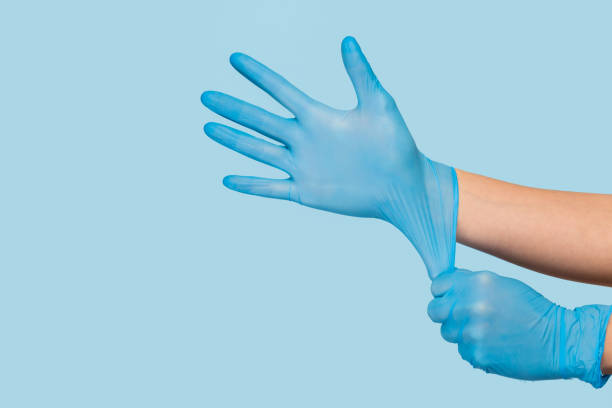
How Are Disposable Vinyl Gloves Made? Differences Between Medical and Industrial Grade
Disposable vinyl gloves are an essential part of various industries, including healthcare, food service, janitorial work, and manufacturing. They provide a cost-effective and reliable barrier against contaminants, chemicals, and pathogens. But how exactly are these gloves made, and what sets medical-grade vinyl gloves apart from industrial-grade versions? In this comprehensive guide, we’ll break down the manufacturing process of vinyl gloves and explore the key distinctions between different grades.
The Manufacturing Process of Disposable Vinyl Gloves
Vinyl gloves are made from polyvinyl chloride (PVC), a synthetic plastic polymer that offers flexibility, durability, and resistance to chemicals. Unlike nitrile or latex gloves, vinyl gloves are entirely synthetic, making them an excellent alternative for individuals with latex allergies. The production of vinyl gloves involves several key steps:
1. Raw Material Preparation
The primary ingredient in vinyl gloves is PVC resin, which is combined with plasticizers to increase flexibility and elasticity. Common plasticizers used in vinyl gloves include phthalates and other alternative compounds. This mixture determines the final properties of the gloves, such as stretchability, strength, and comfort.
2. Dipping Process
Once the raw materials are prepared, the glove production process moves to the dipping stage. Unlike latex and nitrile gloves, which involve a coagulation dipping method, vinyl gloves are produced through a plastisol dipping process.
- Molds (Formers): Ceramic or aluminum hand-shaped formers are cleaned and heated before being dipped into a liquid PVC plastisol mixture.
- Coating: The formers are then coated with a thin layer of PVC, forming the basic shape of the glove.
- Heat Curing: The coated formers pass through an oven, where heat triggers a chemical reaction that solidifies the plastisol, turning it into a flexible but durable glove material.
3. Stripping and Beading
Once the gloves have cooled, they are removed from the formers. This process can be automated to ensure uniformity. Beading, the process of rolling the cuff edges, is performed to reinforce the gloves and make them easier to put on and take off.
4. Quality Control and Testing
Before the gloves are packaged, they undergo strict quality control measures. The testing process varies based on whether the gloves are being manufactured for medical use or industrial use.
5. Sterilization (For Medical Gloves)
Medical-grade gloves undergo an additional sterilization process to ensure they meet safety and hygiene requirements. Methods may include:
- Gamma radiation
- Ethylene oxide (EtO) gas
- Steam sterilization (less common for vinyl gloves)
6. Packaging
Once the gloves pass all necessary tests, they are packaged in boxes and labeled according to their intended use (medical or industrial). Some gloves are powdered to make them easier to don, although many regulations now favor powder-free gloves for hygiene reasons.
Key Differences Between Medical-Grade and Industrial-Grade Vinyl Gloves
Although both types of gloves are made from similar materials, their intended use, performance standards, and regulatory requirements differ significantly.
1. Regulatory Standards and Certifications
- Medical-Grade Vinyl Gloves:
- Must meet FDA (Food and Drug Administration) requirements for biocompatibility and barrier protection.
- Require compliance with ASTM (American Society for Testing and Materials) standards such as ASTM D5250 for patient examination gloves.
- Need to pass strict quality control tests, including tensile strength and pinhole leak resistance tests.
- Industrial-Grade Vinyl Gloves:
- Do not require FDA approval since they are not used for medical procedures.
- Follow general industry standards for safety and durability but do not need to pass biocompatibility testing.
- Often comply with general workplace safety regulations such as those from OSHA (Occupational Safety and Health Administration).
2. Intended Use Cases
- Medical-Grade Vinyl Gloves:
- Used in healthcare, hospitals, dental clinics, and laboratories.
- Designed for applications involving direct patient care, handling bodily fluids, and preventing cross-contamination.
- Industrial-Grade Vinyl Gloves:
- Used in food service, janitorial work, automotive industries, and manufacturing.
- Provide protection against dirt, chemicals, and general contaminants but are not suitable for direct medical contact.
3. Barrier Protection and Durability
- Medical-Grade Gloves:
- Offer enhanced barrier protection against bacteria, viruses, and fluids.
- More rigorously tested for leaks and pinholes.
- Industrial-Grade Gloves:
- Primarily protect against mild chemicals, detergents, and oils.
- May not be tested for resistance against bloodborne pathogens.
4. Powdered vs. Powder-Free Options
- Medical-grade gloves are usually powder-free due to FDA restrictions on powdered medical gloves.
- Industrial-grade gloves may be either powdered or powder-free, with powdered versions being preferred in some workplaces for easier donning.
5. Cost Differences
- Medical-grade gloves tend to be more expensive due to the rigorous testing and compliance requirements.
- Industrial-grade gloves are generally more affordable, making them ideal for high-usage applications where frequent glove changes are required.
Choosing the Right Vinyl Gloves for Your Needs
When selecting vinyl gloves, consider the following factors:
For Medical and Healthcare Settings:
- Always opt for FDA-approved, medical-grade vinyl gloves.
- Ensure they meet ASTM standards for examination gloves.
- Look for powder-free options to reduce contamination risks.
For Food Handling and Industrial Applications:
- Choose industrial-grade gloves with sufficient thickness for durability.
- If handling food, ensure the gloves meet FDA food safety standards.
- Consider powdered gloves if frequent glove changes are needed.
For Chemical Resistance:
- While vinyl gloves offer some resistance to chemicals, they are not as durable as nitrile gloves.
- For stronger chemical protection, nitrile or latex gloves might be better options.
Conclusion
Vinyl gloves play a crucial role in multiple industries, providing a cost-effective solution for hand protection. Understanding the differences between medical and industrial-grade gloves ensures that you select the right product for your specific needs. Whether you require gloves for healthcare applications, food service, or general workplace safety, knowing how they are made and regulated will help you make an informed decision.


