
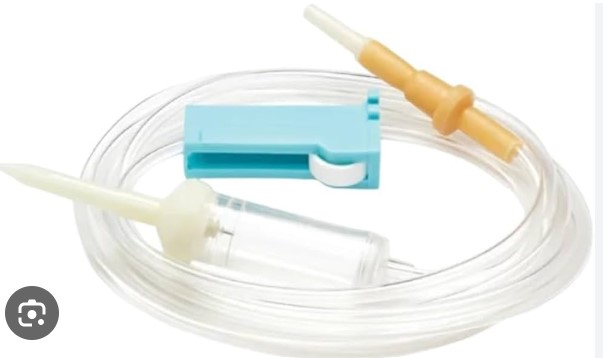
Non Vented IV Set: Ensuring Safe and Efficient Intravenous Therapy
Intravenous therapy is a critical method for delivering fluids, medications, and nutrients directly into the bloodstream. One of the commonly used IV devices is a non vented iv set, which is designed to work with flexible plastic bags and ensures a smooth, controlled infusion without allowing air entry into the fluid container.
For detailed guidance and clinical applications, healthcare professionals can refer to non vented iv set resources.
What Is a Non Vented IV Set?
A non vented IV set is a closed system that prevents air from entering the fluid container. Unlike vented IV sets, it relies on the collapse of flexible bags to allow fluid flow, making it ideal for modern IV therapy using plastic containers.
Key Features
- No vent opening; prevents air from entering the container
- Designed for flexible plastic IV bags
- Smooth, continuous fluid flow using bag collapse
- Reduces risk of contamination from external air
Advantages of Non Vented IV Sets
- Maintains sterility by preventing air exposure
- Simple design, easy to set up and use
- Ideal for disposable, single-use applications
- Reduces pressure-related complications in IV administration
Comparison Between Vented and Non-Vented IV Sets
Vented IV Set
- Allows air to enter through a vent
- Suitable for rigid or glass containers
- Ensures continuous flow when air replaces fluid
Non Vented IV Set
- No air entry allowed
- Designed for flexible plastic bags
- Relies on the bag collapsing to maintain flow
- Safer for preventing contamination
Understanding the distinction helps medical staff select the right IV set for different clinical scenarios, ensuring safe and effective fluid delivery.
Clinical Applications of Non Vented IV Sets
- Plastic Bag Infusions: Ideal for modern disposable IV bags.
- Medication Administration: Ensures steady flow for drugs requiring controlled infusion.
- Single-Use Therapy: Reduces risk of infection and contamination.
- Routine Hospital Use: Commonly used for general IV therapy in wards and outpatient settings.
Best Practices for Using Non Vented IV Sets
- Confirm compatibility with plastic IV bags
- Prime the tubing thoroughly to eliminate air bubbles
- Adjust roller clamp for precise flow rate control
- Monitor patient response and fluid delivery continuously
- Follow hospital protocols for replacement and disposal
Common Issues and Troubleshooting
- Flow Interruption: Ensure the IV bag is properly positioned and not twisted.
- Air in Tubing: Prime the set completely before connecting to the patient.
- Leakage: Replace damaged tubing or connectors immediately.
- Incorrect Flow Rate: Adjust roller clamp and check for kinks in the tubing.
FAQs About Non Vented IV Sets
1. What is a non vented IV set used for?
It is used with flexible plastic IV bags to deliver fluids and medications safely without air entry.
2. Can non vented IV sets be used with glass containers?
No, they are specifically designed for flexible plastic bags; vented sets are required for rigid containers.
3. How do you prevent air bubbles in a non vented IV set?
Proper priming of the tubing and careful handling of the bag prevent air from entering the system.
Conclusion
A non vented iv set is an essential component of intravenous therapy, ensuring safe, sterile, and consistent fluid administration. By understanding its design, advantages, and best practices, healthcare professionals can optimize IV therapy, prevent complications, and maintain high standards of patient care. Proper selection and usage of non vented IV sets enhance clinical efficiency and ensure reliable treatment outcomes.