
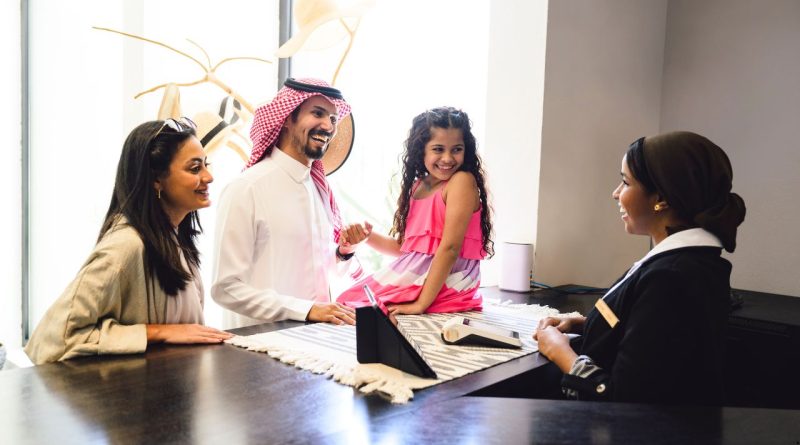
Saudi Dependent and Family Residency Visas: How Expats Bring Their Families to the Kingdom
As Saudi Arabia continues to attract global talent across engineering, healthcare, education, construction, and technology, more foreign professionals are relocating for long-term employment. With that shift comes an equally important concern: how spouses and children can legally live in Saudi Arabia together. This is where Saudi dependent and family residency visas become essential.
Unlike short-term visit visas, family residency visas allow eligible dependents to live in the Kingdom for extended periods under the sponsorship of a working resident. Understanding how this system works is critical for expatriates planning stable, long-term life in Saudi Arabia. The process differs significantly from tourist entry, pilgrimage travel, such as the Saudi Umrah Visa or short visits covered by standard Saudi visa categories.
Before beginning any application, families should review official guidance through Saudi Visa resources to confirm eligibility, documentation, and timelines.
What Is a Saudi Dependent or Family Residency Visa?
A Saudi dependent visa allows immediate family members of a legal foreign resident to live in Saudi Arabia. It is typically linked to the primary resident’s work-based residency permit and is valid for the same duration as the sponsor’s legal status.
This visa is intended for residence, not tourism. Dependents can live, attend school, receive healthcare, and maintain daily life in the Kingdom. It is fundamentally different from a family visit visa, which is temporary and does not grant residency rights.
Who Qualifies as a Dependent?
Saudi immigration rules generally recognize the following as eligible dependents:
- Legally married spouses
- Children under a specified age (usually minors)
- In some cases, dependent adult children with special circumstances
Parents, siblings, and extended relatives usually do not qualify for residency under dependent visas and must use multiple-entry visas instead.
Eligibility also depends on the sponsoring resident’s profession, income level, and residency status.
Sponsorship Requirements
The resident sponsoring dependents must meet certain criteria. These often include:
- Holding a valid work visa and residency permit
- Meeting minimum salary thresholds
- Having accommodation suitable for family living
- Maintaining legal employment status
The sponsor becomes legally responsible for the dependents’ residency compliance. If the sponsor’s employment ends, dependent visas may be affected.
Documentation Required for Family Residency Visas
Applying for a dependent visa involves detailed documentation, and accuracy is essential. Common requirements include:
- Valid passports for each dependent
- Marriage certificate for spouse sponsorship
- Birth certificates for children
- Passport copies and photographs
- Sponsor’s residency permit and employment details
- Proof of income or salary statement
- Medical tests for dependents where required
All family documents typically must be officially translated and sometimes attested, depending on the country of origin.
Application Process Overview
The application process usually begins after the primary sponsor has completed residency procedures in Saudi Arabia. The general flow includes:
First, the sponsor submits a family visa request inside Saudi Arabia through authorized government systems. Once approval is granted, dependents can complete entry procedures from abroad.
Next, dependents receive entry authorization, allowing them to travel to Saudi Arabia. After arrival, additional steps are required to issue residency permits for each dependent.
Unlike tourist entry, dependents do not simply arrive and stay indefinitely. Residency cards must be issued promptly after arrival to remain compliant.
After Arrival: Issuing Residency Permits
Once dependents enter Saudi Arabia, residency permits are processed. These permits allow dependents to:
- Live legally in the Kingdom
- Access healthcare services
- Enroll children in schools
- Travel domestically
- Open dependent records tied to the sponsor
Failure to complete residency issuance within the required timeframe may result in fines or legal issues.
Can Dependents Work or Study?
Dependent visas do not automatically grant work authorization. Spouses or adult dependents who wish to work must obtain separate employment authorization and sponsorship.
Children may attend international or local schools, provided enrollment requirements are met. Higher education typically requires a student visa or sponsorship conversion, depending on circumstances.
Travel Rules for Dependent Visa Holders
Dependents can leave and re-enter Saudi Arabia, but travel is regulated. Exit and re-entry permits are usually required before departure. These permits must be issued while the sponsor’s residency is valid.
Traveling without proper authorization can result in loss of residency status.
Religious Travel Considerations
Muslim families living in Saudi Arabia often plan to perform Umrah together. While residing in the Kingdom simplifies access geographically, dependents must still follow official pilgrimage regulations. In some cases, entry into Mecca or Medina may require a Saudi Umrah visa or special permit depending on current policy.
Families should confirm Umrah access rules before making plans, especially during peak pilgrimage seasons.
Common Challenges Families Face
Many families encounter delays due to missing document attestation, inconsistent name spellings across certificates, or misunderstanding income requirements.
Another common challenge is timing. Some sponsors attempt to bring dependents before their own residency is fully finalized, which can cause application rejection.
Planning ahead and verifying requirements through official Saudi visa guidance helps avoid these setbacks.
When Family Residency Is Not the Best Option
In some cases, family visit visas may be more appropriate. This applies when:
- The stay is temporary
- Children will not attend school
- The sponsor’s employment is short-term
- Salary requirements for residency sponsorship are not met
Family residency is best suited for long-term relocation rather than short visits.
Planning Long-Term Life in Saudi Arabia
Families relocating to Saudi Arabia should consider housing availability, schooling options, healthcare access, and lifestyle adjustments. Major cities such as Riyadh, Jeddah, and Dammam offer international schools, family compounds, and modern amenities designed for expatriates.
Understanding residency rules early allows families to focus on integration rather than immigration stress.
Final Thoughts
Saudi dependent and family residency visas are a critical part of long-term expatriate life in the Kingdom. They allow families to live together legally, build stability, and fully participate in Saudi society.
While the process involves more documentation than a standard Saudi visa or short-term travel permit, proper preparation makes it manageable. Sponsors who plan ahead, verify requirements, and complete steps in the correct order enjoy smoother transitions and fewer disruptions.
For families relocating together, the visa is more than an entry document—it is the foundation of a new chapter in Saudi Arabia.