
The Ultimate Guide to Menstrual Hygiene Management: What Every Woman Should Know in 2025
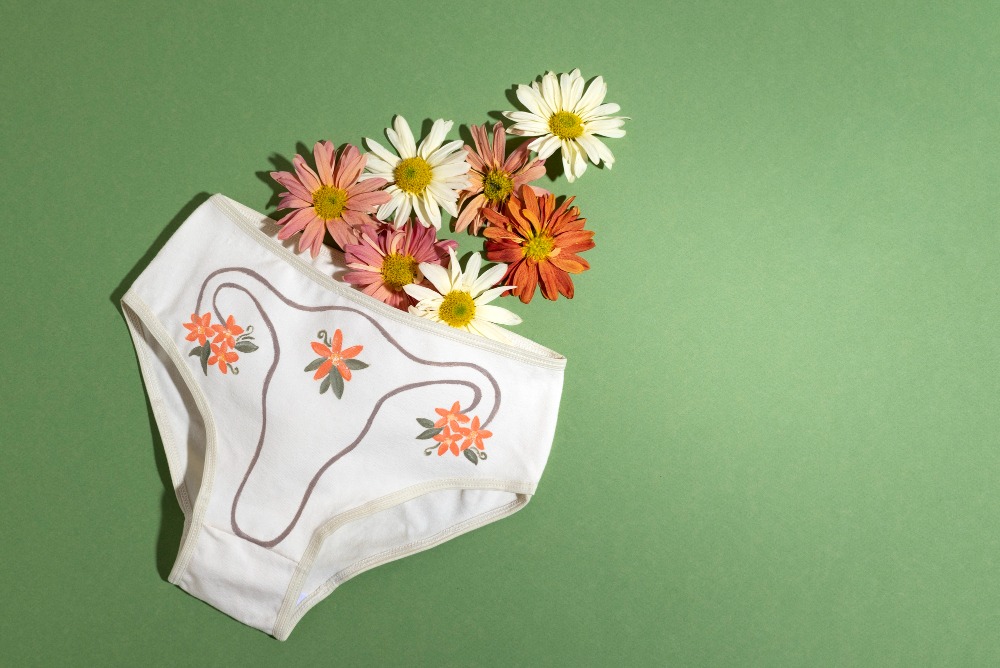
Menstrual Hygiene Management in 2025 isn’t just a neat, organized checklist. It’s a mix of tradition, new technology, old ideas we’re unlearning, and modern habits we’re still trying to get right. Menstruation has existed forever, yet somehow the conversation around it still feels incomplete—fragmented, in fact. And honestly? That’s what this guide will reflect. A bit real. A bit messy. Much like periods themselves.
What Menstrual Hygiene Management Really Means (Today)
MHM is supposed to be simple: managing menstruation safely, cleanly, with dignity. But in reality, it’s a combination of factors:
- Access to clean products
- Knowing what to use and when
- Understanding your body
- Managing the emotional ups and downs
- Handling pain
- Public space limitations
- Cultural beliefs
- Environmental concerns
- And yes, dealing with moments when nothing feels “managed”
In 2025, MHM is partly empowerment, partly frustration, and mostly personal.
Why It Matters (More Than We Admit)
Women still face:
- Embarrassment
- Lack of access
- Stigma
- Poor facilities
- Pain that gets dismissed
- Discomfort in work or school
Despite all the awareness campaigns, period poverty is still real. Period shame is still real. And misinformation… definitely still real.
But MHM matters because menstrual health is tied to everything else: education, emotional health, productivity, confidence, even environmental sustainability.
The Cycle (Not Everyone Learns This Clearly)
A quick refresher—because many adults were taught half-explanations:
- Menstrual Phase: bleeding; can be light, heavy, unpredictable
- Follicular Phase: energy rises (for many), mood improves
- Ovulation: fertility peak, usually mid-cycle
- Luteal Phase: PMS, mood swings, cravings, bloating, or… sometimes nothing noticeable
No two people experience their cycles the same. And that’s okay.
Period Products in 2025: More Options, More Confusion
There are so many products now that choosing feels overwhelming. Here’s a fragmented breakdown—honest, simple. Sanitary Pads, Reusable pads, Tampons, Menstrual Cups, Menstrual Discs, Period underwear, Biodegradable options are the some.
Pads
- Disposable, easy
- Can feel bulky
- Still most common
- Great for beginners
Reusable Pads
- Eco-friendly
- Need washing
- Comfortable but require effort
Tampons
- Discreet, good for sports
- Need careful timing
- TSS risk (rare but real)
Menstrual Cups
- Long-lasting
- Saves money
- Needs insertion confidence
- Learning curve
Menstrual Discs
- Flexible
- Can be worn during sex
- Messy removal sometimes
Period Underwear
- Super comfortable
- Not cheap
- Best for light/moderate flow or as backup
Biodegradable Options
- Better for the environment
- Slightly more expensive
- Not always widely available
There’s no “best” product—just what works for you.
How to Choose What’s Right
Think about:
- Your flow
- Comfort with insertion
- Budget
- Water availability (for washables)
- Allergies or irritation
- Lifestyle
- Environmental values
A lot of women mix products: cups during the day, period underwear at night, pads for heavy flow days.
No rulebook. Just trial and error.
Hygiene Practices (Simple But Often Misunderstood)
A few essentials:
- Change pads/tampons every 4–6 hours
- Cups/discs can stay up to 12 hours depending on flow
- Wash the vulva (not inside)
- Avoid scented products
- Wear breathable underwear
- Don’t flush pads or tampons
- Clean cups properly
Not complicated—yet often skipped out of fatigue, lack of privacy, or misinformation.
Common Period Issues (That Many Ignore)
Painful Cramps
Normal-ish. But unbearable pain is not.
Heavy Bleeding
If you soak through in under 2 hours, consider checking in with a doctor.
Irregular Cycles
Could be stress, PCOS, thyroid issues.
PMS / PMDD
PMS is common; PMDD is severe and needs support.
Infections
Odor, itching, unusual discharge = check-up time.
Ignoring symptoms is easy—normalizing them is dangerous.
Food, Mood, and Movement
Periods react to lifestyle.
Foods that help:
- Iron-rich meals
- Omega-3 foods
- Magnesium-rich snacks
- Plenty of water
Foods that don’t help:
- Too much caffeine
- Salty junk
- Sugary snacks
- Alcohol
Movement
Light movement often helps: walking, yoga, stretching.
Teens and Menstrual Hygiene: Start Early, Start Honest
Girls deserve honest explanations, not whispering or shame.
Teach them:
- What the cycle is
- How to use products confidently
- How to talk about symptoms
- That periods are normal
Empowered teens become confident adults.
Women With Disabilities: Often Overlooked
Menstrual Hygiene Management must consider:
- Accessibility
- Product types that are easier to handle
- Bathroom setup
- Support from caregivers
- Educational materials in accessible formats
Menstruation should never rob dignity.
Cultural Myths That Need To End (Seriously, It’s 2025)
Still too many myths:
- “Periods are dirty.”
- “You shouldn’t shower.”
- “No cooking during periods.”
- “Exercise is unsafe.”
- “You’re impure.”
These ideas limit people. They’re outdated. Let them go.
Schools, Workplaces, Public Spaces
MHM is not just personal; it’s social.
Schools need:
- Clean bathrooms
- Access to products
- Education without shame
Workplaces need:
- Supportive policies
- Private spaces
- Understanding managers
Public places need:
- Disposal bins
- Access to basic supplies
- Clean facilities
Menstruation doesn’t pause for convenience.
Sustainability: A Big Part of 2025
People want greener options. And rightly so.
Reusable products reduce waste and cost in the long run. But they also require access to water, hygiene, and comfort with cleaning—so not for everyone.
The key is choice, not pressure.
Technology Is Changing Menstrual Care
Period-tracking apps in 2025 do more:
- Predict symptoms
- Suggest products
- Track mood
- Help detect cycle irregularities
- Offer tele-health consultations
Digital tools help people know their bodies better.
Looking Ahead: Beyond 2025
The future of Menstrual Hygiene Management may include.
- Smart biodegradable pads
- Wearable menstrual sensors
- Better anti-cramp technology
- Less stigma
- Better global access
- More inclusive language
The direction is hopeful. Slow, but hopeful.
Final Thoughts
Menstrual Hygiene Management in 2025 is not perfect—and that’s okay. It’s improving. It’s evolving. And so are the conversations about it.
Choosing what works for your body, practicing basic hygiene, rejecting stigma, and staying informed are the most important steps. Everyone’s experience is different, fragmented even—but valid.