
TMJ Treatment: Effective Solutions for Jaw Pain and Dysfunction
Temporomandibular joint (TMJ) disorders can cause significant discomfort, affecting jaw movement, speech, and even daily activities like eating. TMJ dysfunction arises from issues with the jaw joint and surrounding muscles, leading to symptoms such as pain, clicking sounds, and restricted jaw mobility. Fortunately, various treatment options are available to alleviate symptoms and restore normal function.
For those experiencing persistent jaw pain, tmj treatment options can provide relief and improve overall oral health. Understanding the causes, symptoms, and treatment approaches can help individuals manage their condition effectively.
Understanding TMJ Disorders
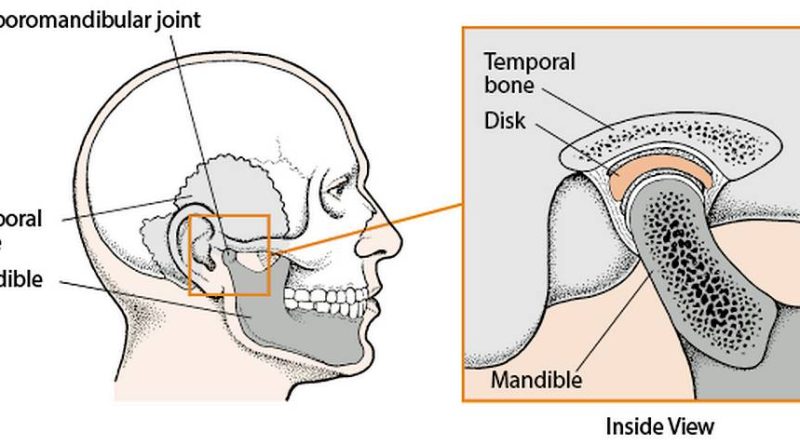
The temporomandibular joint connects the lower jaw (mandible) to the skull, allowing movement for chewing, speaking, and yawning. Dysfunction in this joint can result from multiple factors, including:
- Jaw Injury: Trauma from accidents, falls, or direct impact can damage the TMJ.
- Teeth Grinding (Bruxism): Excessive grinding or clenching places stress on the joint and surrounding muscles.
- Arthritis: Osteoarthritis and rheumatoid arthritis can affect the joint’s structure and function.
- Misalignment of the Jaw or Teeth: Bite problems or misaligned teeth can create imbalance and strain on the TMJ.
- Stress: Psychological stress often leads to muscle tension and unconscious jaw clenching, worsening TMJ symptoms.
Common Symptoms of TMJ Disorders
TMJ dysfunction presents a range of symptoms that vary in severity. Common signs include:
- Jaw pain or tenderness on one or both sides
- Clicking, popping, or grinding sounds when opening or closing the mouth
- Difficulty chewing or discomfort while eating
- Locking of the jaw or limited movement
- Ear pain, headaches, and facial discomfort due to muscle strain
- Swelling around the jaw joint
Identifying these symptoms early allows for timely intervention, preventing further complications.
Effective TMJ Treatment Options
Managing TMJ disorders involves a combination of self-care techniques, medical treatments, and, in severe cases, surgical procedures. The right approach depends on the severity and underlying cause of the condition.
1. Lifestyle and Home Remedies
Simple lifestyle adjustments can significantly reduce TMJ symptoms and improve jaw function:
- Applying Heat or Cold Packs: Heat relaxes tense muscles, while cold packs help reduce inflammation and numb pain.
- Practicing Jaw Exercises: Gentle stretching and strengthening exercises improve mobility and reduce stiffness.
- Avoiding Hard or Chewy Foods: Soft foods put less strain on the jaw, allowing it to heal.
- Reducing Stress: Relaxation techniques like meditation and deep breathing minimize jaw clenching.
- Maintaining Good Posture: Keeping the head aligned with the spine reduces tension on the jaw muscles.
2. Dental Treatments for TMJ Relief
Since misaligned teeth or an improper bite can contribute to TMJ dysfunction, dental treatments may be recommended:
- Mouthguards or Splints: Custom-fitted dental appliances prevent teeth grinding and relieve joint pressure.
- Bite Correction: Adjusting the bite through orthodontic treatment or dental restorations can balance jaw alignment.
- Occlusal Adjustments: Smoothing uneven tooth surfaces ensures proper jaw positioning and reduces strain.
3. Physical Therapy for TMJ Disorders
A physical therapist can design exercises to strengthen jaw muscles and improve range of motion. Techniques include:
- Massage Therapy: Targeted massage relieves tension and enhances blood flow to the jaw area.
- Ultrasound Therapy: Deep heat application reduces pain and muscle stiffness.
- Manual Therapy: Hands-on techniques improve joint mobility and relieve discomfort.
4. Medication for Pain Management
Medications can help alleviate TMJ symptoms, especially during flare-ups:
- Nonsteroidal Anti-Inflammatory Drugs (NSAIDs): Reduce pain and swelling.
- Muscle Relaxants: Relieve muscle tightness and jaw clenching.
- Tricyclic Antidepressants: Used in low doses to manage chronic pain.
- Corticosteroid Injections: Reduce severe inflammation in the joint.
5. Advanced Medical and Surgical Treatments
In cases where conservative treatments fail, advanced procedures may be necessary:
- Botox Injections: Temporarily relaxes overactive jaw muscles to reduce pain and grinding.
- Arthrocentesis: A minimally invasive procedure that flushes out debris and inflammation from the joint.
- TMJ Arthroscopy: A small camera is inserted into the joint to diagnose and treat internal damage.
- Open-Joint Surgery: Reserved for severe cases where structural abnormalities require correction.
Preventing TMJ Disorders
While not all TMJ disorders can be prevented, adopting healthy habits can reduce the risk of developing jaw problems:
- Avoid excessive gum chewing or nail-biting.
- Be mindful of jaw posture and avoid resting the chin on the hand.
- Use proper techniques when yawning or opening the mouth widely.
- Seek early treatment for dental or jaw alignment issues.
Conclusion
TMJ disorders can significantly impact daily life, but effective treatments are available to alleviate symptoms and restore jaw function. From lifestyle changes and dental treatments to physical therapy and advanced medical procedures, multiple solutions exist to manage this condition. If persistent jaw pain, clicking, or restricted movement occurs, seeking professional evaluation can help determine the best course of action for long-term relief.


