
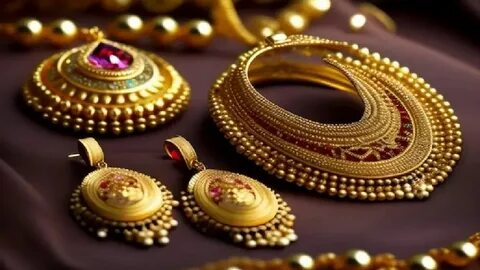
Why gold rate in Guwahati changes with import costs and global prices
Gold has held a position of immense significance worldwide, not just as a precious metal but also as an investment option and a trusted financial asset. In India, gold is deeply integrated into the cultural and economic fabric, with cities like Guwahati experiencing regular fluctuations in its pricing due to a variety of factors. The constant change in the gold rate in Guwahati can be attributed to several dynamic factors, such as import costs, global economic trends, currency exchange rates, and international demand and supply. Moreover, as gold prices are interconnected across the globe, cities like Patna also reflect similar trends, hence the importance of understanding how the gold price today Patna correlates with other regions.
Import Costs: A Key Driver of Gold Rate in Guwahati
India is one of the largest consumers of gold in the world, but the country also heavily depends on imports due to relatively low domestic production of gold. Because Guwahati relies on imported gold, fluctuations in import costs significantly impact the gold rate in Guwahati. These import costs primarily depend on international gold prices, shipping expenses, and taxes such as import duties and the Goods and Services Tax (GST).
The import duty on gold in India changes depending on government regulations, trade policies, and macroeconomic conditions. For instance, higher import duties can escalate the cost of gold, resulting in an increase in its price in Guwahati markets. While gold serves as a hedge against inflation, an elevated import duty can make it less accessible to the average buyer, which affects the purchasing patterns in cities like Guwahati.
The Influence of Global Gold Prices
Gold is traded globally, which means its price in Guwahati is directly impacted by international market trends. Global gold prices fluctuate due to a combination of geopolitical events, economic data, inflationary pressures, and monetary policies by major economies like the United States. The stronger the global demand for gold, the more expensive the metal becomes locally.
For instance, when global economies face uncertainty or major events stir financial instability, investors around the world turn to gold as a safe investment. This increased demand for gold worldwide leads to a surge in international gold prices, which subsequently impacts the gold rate in Guwahati. Conversely, when global conditions stabilize, investors tend to move their focus away from gold, resulting in a dip in prices.
The central banks of countries also maintain reserves of gold. Their buying and selling activities play a key role in setting a benchmark for gold prices globally. Therefore, when central banks increase their gold purchases, prices rise globally, including in cities like Guwahati.
Currency Exchange Rates: An Indirect Factor
One significant factor influencing the gold rate in Guwahati is the currency exchange rate, particularly the relationship between the Indian Rupee (INR) and the US Dollar (USD). Since gold is traded internationally in US dollars, the strength of the rupee determines how expensive it will be for Indians to buy imported gold.
When the value of the rupee declines in comparison to the dollar, the cost of importing gold rises, leading to an increase in the local gold rate in Guwahati. Conversely, if the rupee strengthens against the dollar, the import cost reduces, making gold more affordable for buyers in Guwahati. Political stability, fiscal deficit, and global trade policies are just some factors that drive the currency exchange rate, which ultimately impacts the pricing of gold.
Seasonal Demand and Cultural Factors
Guwahati, like the rest of India, heavily depends on gold for cultural ceremonies, weddings, and festivals. During specific seasons, there’s a spike in demand for gold, which can cause temporary increases in prices. Festivals like Diwali and Durga Puja, and weddings during auspicious times, are periods when gold consumption grows, and traders increase their prices.
Seasonal demand works in tandem with global gold prices and import dynamics to shape the local gold rate in Guwahati. If the global price of gold is steady, then an increase in seasonal demand may only create minor fluctuations in gold rates in the city. However, if global prices are rising due to other factors, local demand during festivals can lead to sharp and sustained price increases.
The Relationship Between Gold Rate in Guwahati and Gold Price Today Patna
While Guwahati is located in Assam in the northeastern part of India, Patna in Bihar lies further west. Despite the geographical distance, the gold prices in these cities follow similar trajectories because their pricing mechanics rest primarily on import trends and international market prices. This close connection between gold rate in Guwahati and gold price today Patna underscores the fact that gold prices are not determined locally in isolation — they are linked to broader national and global factors.
Regional differences like transportation costs, local taxes, and demand can create minor discrepancies between Guwahati’s gold rate and Patna’s, but these fluctuations are relatively small due to the interconnectedness of economies. For instance, if crude oil prices rise and transport becomes more expensive, Guwahati’s gold pricing may be impacted slightly differently from Patna’s due to geographical factors.
Investment Prospects in Gold
Gold remains a popular investment choice in cities like Guwahati and Patna, especially in the form of jewelry, coins, and bullion. However, the fluctuating gold prices due to import costs and global trends can make it challenging to predict the best time to invest. Investors need to keep their eyes on economic indicators like inflation, global demand, rupee-dollar exchange rates, and even geopolitical events to make informed decisions.
In Guwahati, gold is also seen as a hedge against inflationary pressures. When the cost of household items rises, gold provides financial security as it tends to retain or grow in value over time. However, for local investors, understanding how import cost changes and international prices directly affect the gold rate in Guwahati is the key to maximizing returns.
How Buyers Can Track Gold Prices
Tracking gold prices in Guwahati can be done through financial websites, price tracking apps, and updates provided by jewelers and gold merchants. Government announcements regarding import duty changes and global market updates released by financial institutions can also give an idea of where gold rates are headed. However, buyers should note the parallel impact on neighboring cities, given that the gold price today Patna may often reflect similar trends.
It is essential for buyers to remain vigilant about trends like government policies, trade balances, and inflation rates, as all of these have the potential to alter gold prices. Whether for investment purposes, festive purchases, or cultural celebrations, such monitoring assists in making timely and financially advantageous decisions.
Conclusion
The gold rate in Guwahati is influenced by a complex matrix of factors, most notably import costs and global gold prices. While India remains a major consumer of gold, reliance on imports creates sensitivity to international market fluctuations and policy changes in other countries. Moreover, local economic conditions, currency exchange rates, and cultural festivities work together to further amplify changes in gold prices.
Understanding the interplay between Guwahati’s gold prices and broader trends can also help illuminate the connection to the gold price today Patna and other regions. While gold continues to remain a robust investment asset, buyers, investors, and traders must consider these influences before making purchases or investment decisions. Whether you’re in Guwahati or Patna, monitoring gold rates and comprehending the factors driving price fluctuations can pave the way for wiser financial choices.